Sri Lanka Visa for Indian Tourists: Step-by-Step ETA Guide
Planning a quick getaway to the Pearl of the Indian Ocean? The good news is that getting a Sri Lanka visa for Indians is one of the most straightforward parts of your trip. Just a short flight from Chennai, Mumbai, Delhi, or Bengaluru, Sri Lanka welcomes hundreds of thousands of Indian travellers every year through a simple online system called the Electronic Travel Authorization (ETA). In this complete guide from the team at Lanka Travel Bee, your Negombo-based tour specialists, we'll walk you through exactly how to apply, what it costs, what documents to carry, and the insider tips that save Indian tourists time, money, and stress.
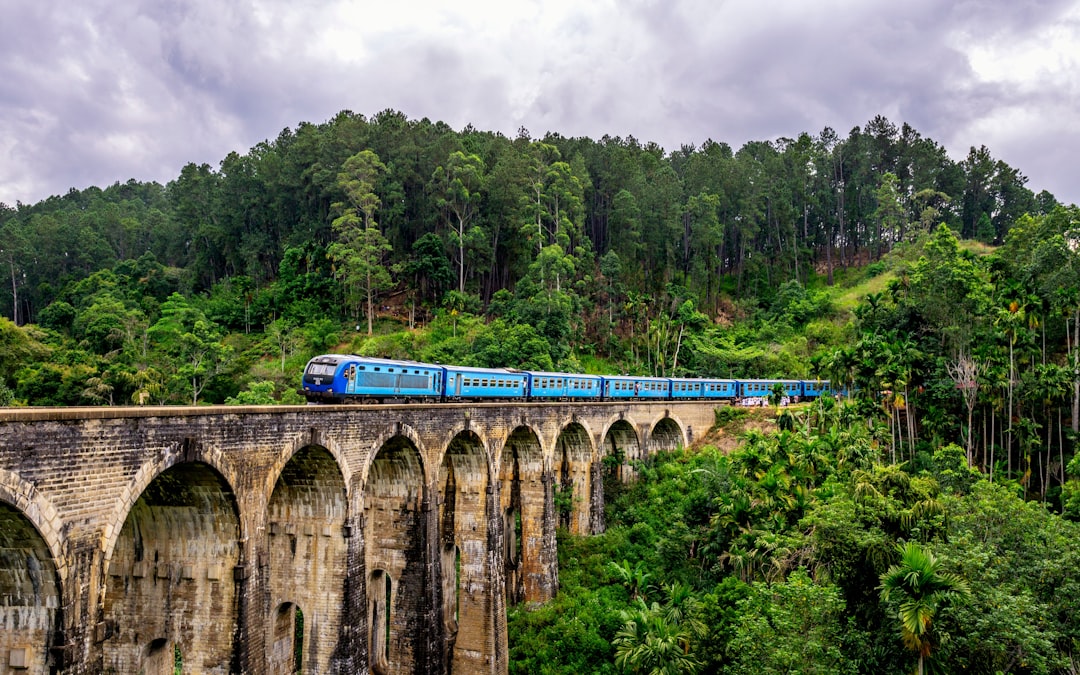
 Photo by Hendrik Cornelissen on Unsplash
What Is the Sri Lanka ETA for Indian Tourists?
The Sri Lanka ETA for Indian tourists is an Electronic Travel Authorization — essentially a pre-approved entry permit that you apply for online before you fly. It replaces the need to visit an embassy or stand in long lines, and it links electronically to your passport. Once approved, you simply present it at immigration when you land.
India is consistently Sri Lanka's number one source market for tourist arrivals, contributing roughly 20% of all inbound visitors, with annual Indian arrivals frequently exceeding 300,000 in strong years. Because of this close relationship — and shared SAARC membership — Indian travellers enjoy some of the easiest entry rules anywhere in the region.
Important 2024 Policy Update
Sri Lanka's visa system has gone through several changes recently. The country briefly moved its ETA processing to a new third-party platform before reverting to the original government portal following a Supreme Court intervention in 2024. A free visa scheme covering several nationalities — including India — was also trialled, offering fee-free 30-day tourist entry during certain periods.
Because fees and platforms have fluctuated, always confirm the current fee and the active official URL before applying. The official portal is www.eta.gov.lk. Be cautious: numerous look-alike sites exist purely to overcharge travellers.
Sri Lanka Visa Types for Indians
Most Indian holidaymakers only need the Tourist ETA, but here's the full breakdown so you can choose correctly:
| Visa Type | Validity | Stay Permitted | Entries |
|---|---|---|---|
| Tourist ETA | 30 days from arrival | Up to 30 days | Double entry |
| Tourist ETA (extended) | Extendable to 90/180 days | Via Dept. of Immigration | — |
| Business ETA | 30 days | 30 days | Multiple |
| Transit | Up to 2 days | 2 days | Single |
One of the nicest perks of the Tourist ETA is the double-entry allowance — handy if you plan a side trip and return to Sri Lanka within your 30-day window. If you want to stay longer, you can extend your visa at the Department of Immigration in Colombo to 90 or even 180 days.
Sri Lanka ETA Fee 2024: What Does It Cost?
Fees are subject to change, so treat the figures below as a guide and verify on the official site before you pay.
- Tourist ETA online: Historically around USD 20 for SAARC nations (India qualifies as a SAARC member), versus USD 35–50 for general tourists.
- On-arrival ETA: Higher, with a surcharge of roughly USD 25–30 — not recommended.
- Children under 12: Often free of charge.
- Free-visa pilot periods: The fee has occasionally been USD 0.
Because India qualifies for the discounted SAARC rate, make sure you select "India" as your nationality correctly so the system applies the lower price automatically.
How to Apply for the Sri Lanka ETA: Step by Step
Here's exactly how to apply for the Sri Lanka ETA online, the same process we walk our clients through every day.
- Access the official portal — Go to www.eta.gov.lk. Confirm the current URL and avoid agent-clone sites that charge inflated "service fees."
- Select your visa category — Tourist, Business, or Transit.
- Complete applicant details — Your passport must be valid for a minimum of 6 months from your arrival date.
- Provide required information:
- Passport number and expiry date
- Arrival and departure dates
- Address of your accommodation in Sri Lanka
- Return or onward ticket details
- Pay the fee using an international Visa or Mastercard debit/credit card.
- Receive your ETA approval by email — Print a copy and also keep it on your phone.
- At immigration (Bandaranaike International Airport, CMB): Present your passport, ETA approval, proof of funds, and return ticket.
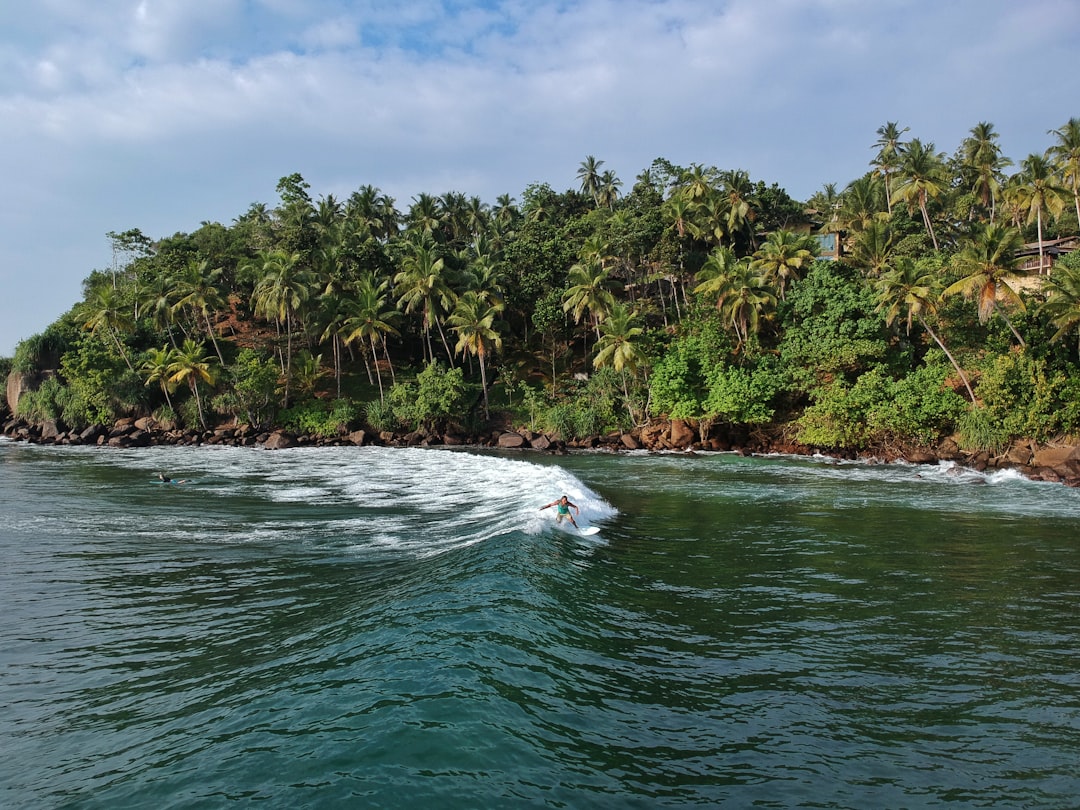
 Photo by Yves Alarie on Unsplash
Processing Time
Approvals usually arrive within 24–72 hours, and many travellers receive theirs within just a few hours. To be safe, apply at least 3–5 days before your departure. Don't leave it to the last minute, but don't apply so far ahead that your travel window shifts either.
Sri Lanka Visa Requirements for Indians: Documents to Carry
When you arrive, immigration officers at Bandaranaike International Airport may ask to see the following. Keep them handy in your carry-on:
- Passport with at least 6 months' validity
- Printed ETA confirmation (yes, paper still matters — see tips below)
- Confirmed return or onward ticket
- Proof of sufficient funds (often unenforced but technically required)
- Hotel booking or accommodation address
Sri Lanka Visa on Arrival for Indians: Is It Worth It?
Yes, Sri Lanka does offer a visa-on-arrival option for Indians, but we strongly recommend applying for your ETA online beforehand. The on-arrival route carries a higher fee, can involve longer queues after a long flight, and leaves you exposed to delays if there's any issue with your paperwork. Applying online via the official portal is cheaper, faster, and far less stressful.
Insider Tips From the Lanka Travel Bee Team
After helping countless Indian travellers land smoothly in Sri Lanka, here are the lessons that matter most:
- Use ONLY the official government site. This is the single most common mistake Indian travellers make. Third-party sites mimic the official portal and charge USD 50–100 in fake "service fees."
- Match your spelling to your passport exactly. Even a small mismatch in your name can cause delays at immigration — and corrections aren't easy once submitted.
- Keep a printout. Despite being "electronic," some officers still ask for a physical copy.
- Confirm the SAARC discount. Selecting India as your nationality ensures you get the reduced rate.
- Check land/sea entry rules separately. The ETA primarily covers air arrivals. The Chennai–Jaffna/Kankesanthurai ferry has operated intermittently, so verify ferry visa rules if you're sailing.
- Skip the airport currency counters. Withdraw LKR from ATMs or exchange in Colombo for far better rates.
Getting There & Entry Logistics
Sri Lanka is wonderfully close to India. Direct flights connect Colombo (CMB) with Chennai, Mumbai, Delhi, Bengaluru, Kochi, Trichy, and Hyderabad, with flight times from South India of just 1–1.5 hours.
- Main entry point: Bandaranaike International Airport (CMB), Katunayake — about 35 km north of Colombo and close to our home base in Negombo.
- Secondary airport: Mattala Rajapaksa International (HRI), with limited flights.
- Immigration hours: 24/7 at CMB.
- Airport to Colombo: Taxi (around LKR 4,000–6,000), the expressway (about 45 minutes), or the airport shuttle bus.
- SIM cards: Pick up a Dialog or Mobitel tourist SIM at arrivals — the airport deals are excellent and you'll be connected instantly.
Best Time to Visit Sri Lanka
Sri Lanka has two monsoon seasons affecting different regions, so there's almost always somewhere sunny.
- December to April: The best time for the south and west coasts (Mirissa, Bentota, Galle) and the hill country. This is peak season and ideal for beaches and whale watching (November–April).
- May to September: Best for the east coast (Trincomalee, Arugam Bay) and the cultural triangle. Great for surfers and ancient-city explorers.
- Shoulder months: September and April often deliver fine weather with fewer crowds and better prices.
For Indian travellers timing trips around holidays like Diwali or summer school breaks, both windows offer fantastic options — just match your destinations to the season.
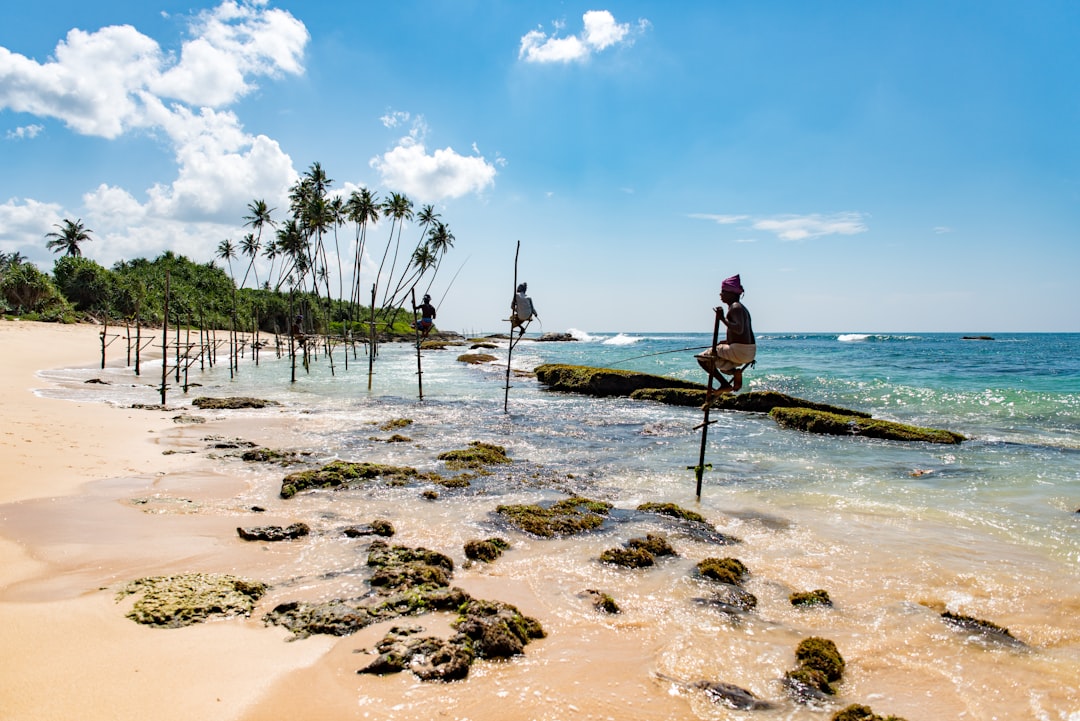
 Photo by Sebastian Latorre on Unsplash
Top Highlights for Indian Tourists
Sri Lanka and India share deep historical, religious, and cultural ties. Buddhism travelled from India to Sri Lanka in the 3rd century BCE via Emperor Ashoka's mission, and the famous Sri Maha Bodhi tree in Anuradhapura grew from a sapling of Bodh Gaya's original Bodhi tree. These bonds make Sri Lanka feel both familiar and refreshingly new.
Must-See Destinations
- Sigiriya Rock Fortress — UNESCO icon (fo