Best Time to Visit Sri Lanka — Month by Month Guide
Wondering about the best time to visit Sri Lanka? Here's the good news: thanks to a clever twist of geography, this teardrop-shaped island is genuinely a year-round destination. While one coast catches the rain, another basks in glorious sunshine — so no matter which month you choose, there's always somewhere perfect to be. At Lanka Travel Bee, we've spent years helping travellers time their trips for sunny beaches, dramatic festivals, and unforgettable wildlife. This complete Sri Lanka weather guide breaks down the climate month by month, so you can plan with total confidence.
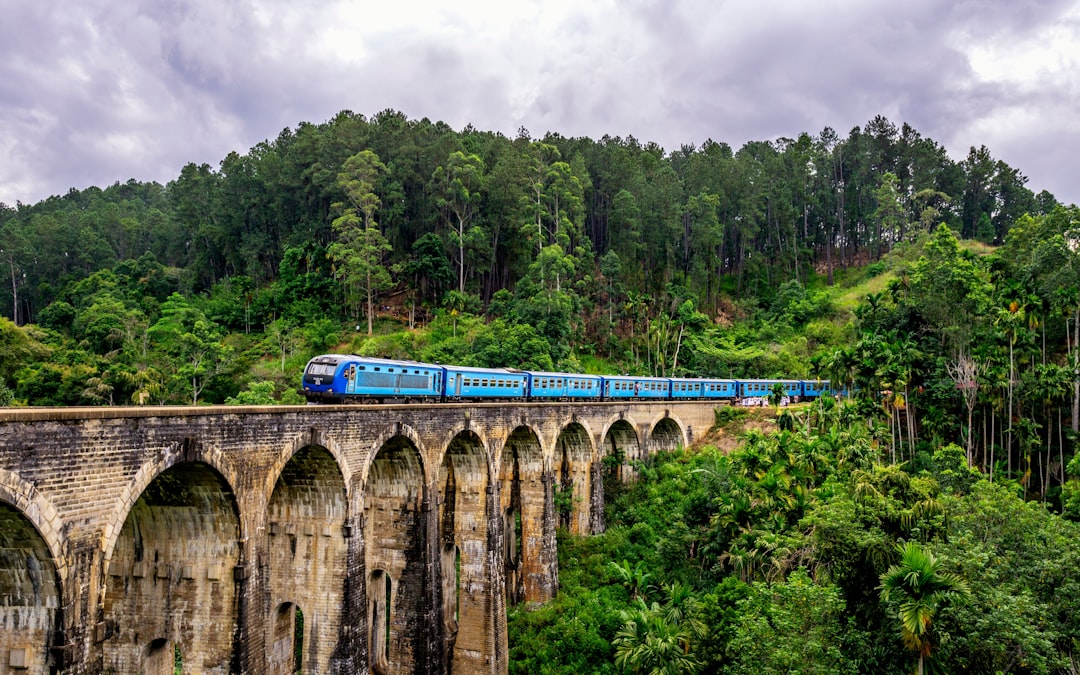
 Photo by Daniel Klein on Unsplash
Understanding Sri Lanka's Two-Monsoon System
The single most important thing to grasp when planning your trip is that Sri Lanka has two distinct monsoons. This is why the question of "when to visit Sri Lanka" never has a simple answer — and why you should never write off any month entirely.
The Yala (Southwest) Monsoon
Running from May to September, the Sri Lanka southwest monsoon brings rain to the southwest, west and south coasts, plus the Hill Country. This affects popular spots like Colombo, Galle, Bentota, Mirissa, Kandy and Nuwara Eliya.
The Maha (Northeast) Monsoon
From around October/November to January/February, the Maha monsoon soaks the east and north — Trincomalee, Batticaloa, Arugam Bay and Jaffna. So when the southwest is wet, the east is usually dry, and vice versa.
Inter-Monsoon Periods
March–April and October–November are transitional, bringing thunderstorms island-wide — typically short, dramatic afternoon or evening downpours rather than all-day rain.
Temperature & Geography at a Glance
Because Sri Lanka is a compact island (just 65,610 km²), you can go from beach heat to highland chill in a three-hour drive. Here's what to expect:
- Coast & lowlands: 26–32°C year-round, with humidity of 70–90%.
- Hill Country (Nuwara Eliya, ~1,868m): 10–20°C, dropping near 0°C at night in December–February — frost is even possible.
- Cultural Triangle (Anuradhapura, Polonnaruwa, Sigiriya): hot and dry at 30–35°C, sometimes exceeding 38°C in April–May.
Sri Lanka Weather by Month: The Complete Breakdown
January — Peak Season
January is prime time for the west and south coast beaches, the Hill Country, the Cultural Triangle and whale watching off Mirissa. It's the driest month for the southwest, with sunny coasts and cool, clear highlands. This is peak season, so hotel rates are at their highest — especially in the first two weeks around New Year. Festivals include the Duruthu Perahera at Kelaniya and Thai Pongal, the Tamil harvest festival. Whale watching success rates off Mirissa and Dondra hit 80–90%, with blue whales and sperm whales regularly sighted.
February — Peak Season (and arguably the best)
February offers the driest, most reliable sunshine across the south and west — many consider it the best month for general touring and beaches. Independence Day (Feb 4) brings military parades, while the Navam Perahera in Colombo features a grand elephant procession. Book accommodation 3–4 months ahead. It's also peak Adam's Peak (Sri Pada) pilgrimage season, with the clearest dawn views.
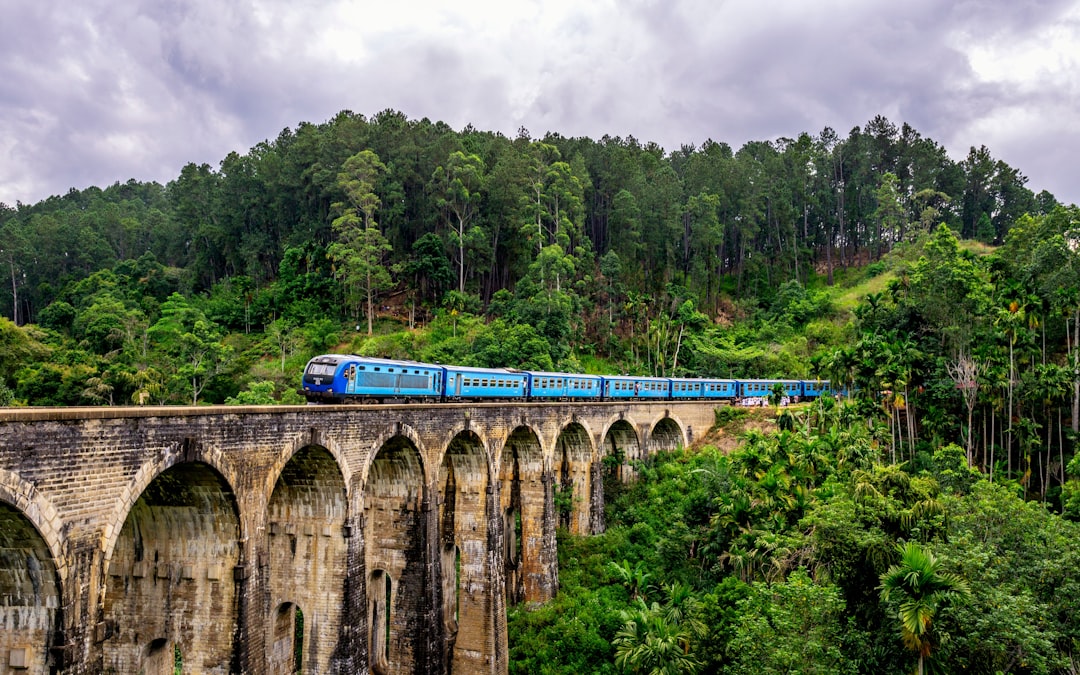
 Photo by Sebastian Latorre on Unsplash
March — Shoulder Season
The southwest coast remains good and the Cultural Triangle is excellent as the inter-monsoon begins. Heat builds in the lowlands with occasional afternoon thunderstorms, but it's generally still dry. Crowds ease post-peak, making this great value. It's a brilliant time to combine beach and culture, and leopard sightings at Yala are superb as dry conditions concentrate animals around waterholes.
April — Transition & Hottest Month
Early April still delivers good southwest weather, while the Cultural Triangle becomes very hot. Inter-monsoon thunderstorms increase late in the month. April is dominated by the Sinhala & Tamil New Year (Avurudu, ~April 13–14) — the biggest cultural event of the year. Locals leave cities en masse, traditional rituals and games abound, and milk rice (kiribath) is everywhere. A tip: avoid domestic travel right around the 13th–14th, when trains and buses are packed and many businesses close. It's a logistics challenge but culturally fascinating.
May — Monsoon Onset
The southwest monsoon arrives mid-to-late May, bringing rains to the west and south coasts, while the Cultural Triangle and east coast begin their best season. This marks the start of low season, with discounts often 30–50% off peak rates. Vesak Poya (May full moon) is the most important Buddhist festival, celebrating Buddha's birth, enlightenment and passing. Expect lantern displays, free food stalls (dansala) and islandwide illuminations — an extraordinary experience. Don't write off May: rain often comes in short bursts, and the value is unbeatable.
June — Low (SW) / East Opening
As the southwest stays wet, the east coast — Trincomalee, Nilaveli and Arugam Bay — comes into its own. Arugam Bay's world-class surf season begins, with consistent swells and a famous point break. Poson Poya, the second-most important Buddhist festival, centres on Anuradhapura and Mihintale, marking the arrival of Buddhism in the 3rd century BC. Smart travellers simply switch coasts.
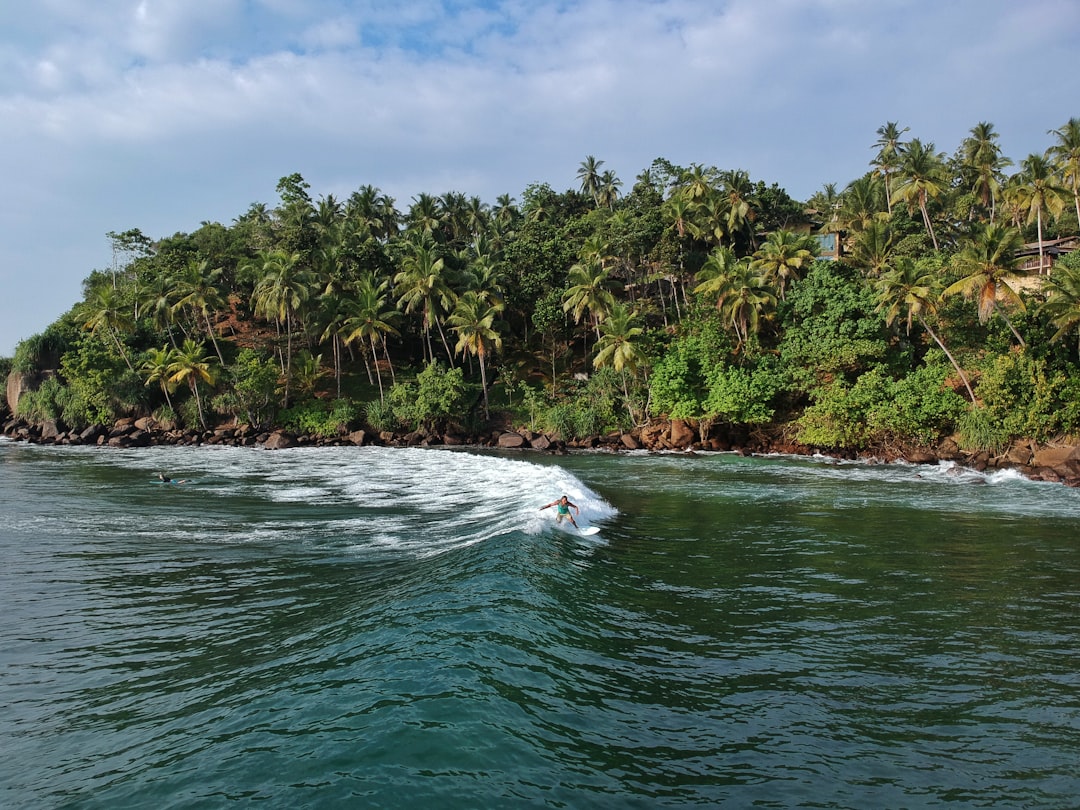
 Photo by Andrei Alekseev on Unsplash
July — Low (SW) / East Peak / Festival Highlight
The east coast is dry and sunny, whale watching shifts to Trincomalee, and Kandy takes centre stage. The legendary Esala Perahera (Kandy) — typically late July into early August — is Sri Lanka's most spectacular festival: ten nights of processions with up to 100 caparisoned elephants, Kandyan dancers, fire performers and whip-crackers, all honouring the Sacred Tooth Relic. Book grandstand seats months ahead (roughly $25–$100+), as Kandy hotel prices triple during the festival.
August — East Peak / Perahera Continues
The east stays dry, the southwest improves slightly, and touring conditions are generally good islandwide. Expect a mini-peak thanks to European summer holidays and the Perahera. The wildlife highlight is The Gathering at Minneriya/Kaudulla National Park, where up to 300+ Asian elephants congregate around the receding reservoir (July–September) — the largest seasonal elephant gathering on Earth.
September — Shoulder Season
The east coast season winds down while the Cultural Triangle remains excellent and The Gathering continues into early September. Crowds thin out after the August peak, offering good value before the inter-monsoon transition begins. It's a quietly rewarding month for culture and wildlife lovers who prefer fewer crowds.
October — Inter-Monsoon
October is the trickiest month, as the inter-monsoon brings thunderstorms across much of the island and the Maha monsoon starts to build over the east and north. Rain is usually in short, dramatic bursts. With this being one of the quietest months, prices are at their lowest — ideal for budget-conscious travellers happy to work around the occasional shower.
November — Transition Toward the South
The northeast monsoon takes hold over the east and north, while the southwest begins drying out toward month's end. It's another shoulder month with good value, and a smart time to position yourself on the south coast as it transitions into its peak season.
December — Peak Season Returns
December ushers in peak season on the west and south coasts and in the Hill Country. Skies clear, beaches sparkle, and the festive period brings a surge of international visitors. Highland nights turn crisp and cool — even chilly in Nuwara Eliya. Book early, as Christmas and New Year are the busiest, priciest dates of the year.
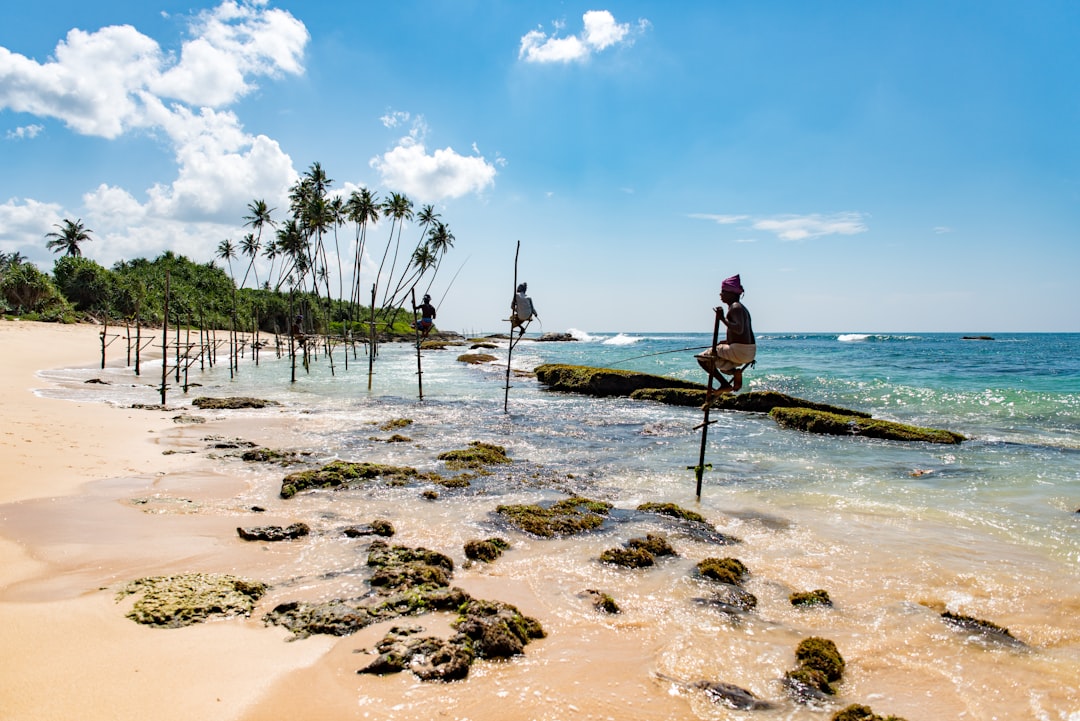
 Photo by Tomáš Malík on Unsplash
Best Time to Visit Sri Lanka — Quick Verdict
If we had to name the single best window, it would be December to March — the Sri Lanka dry season for the southwest, when the iconic beaches of Galle, Mirissa and Bentota, the tea-clad highlands and the Cultural Triangle all shine at once. This is also prime whale-watching season and the most reliable for our classic touring routes across our most popular destinations.
However, the right time really depends on what you want:
- Best month for Sri Lanka beach (south/west): January and February.
- Best for the east coast & surfing Arugam Bay: June to September.
- Best for elephants (The Gathering): August to early September.
- Best for festivals: July/August (Esala Perahera) and May (Vesak).
- Best value (low season): May, October and November.
This understanding of Sri Lanka travel seasons is exactly why the island delivers superb experiences year round — you just need to pick the right coast for the calendar.
Practical Information
Getting There
Most international travellers arrive at Bandaranaike International Airport (CMB) near Colombo, just a short drive from Negombo, where Lanka Travel Bee is based. Direct and one-stop flights connect Sri Lanka with hubs across Europe, the Middle East, India and Southeast Asia. Most visitors need an Electronic Travel Authorisation (ETA) — apply online before you fly.
Costs & Budgeting
Sri Lanka offers excellent value. Budget travellers can get by on $30–50 per day, mid-range travellers should budget $75–150 per day, and lux