Arugam Bay Surf Guide — Best Waves, Season & Getting There
If world-class waves, golden sunrises and a laid-back beach-town vibe are on your wish list, then Arugam Bay surfing belongs at the top of your Sri Lanka itinerary. Tucked away on the country's wild southeast coast, this small fishing town — affectionately known to surfers worldwide as "A-Bay" — has earned a reputation as one of Asia's finest surf destinations. With its legendary right-hand point break, warm tropical water and breaks for every skill level, Arugam Bay delivers the kind of surf trip you'll be talking about for years.
In this complete Arugam Bay surf guide, we at Lanka Travel Bee — your Negombo-based Sri Lanka tour specialists — will walk you through the best waves, the ideal surf season, how to get there, and everything else you need to plan an unforgettable trip to the east coast.
 Photo by oleks film on Unsplash
Where Is Arugam Bay?
Arugam Bay (pronounced "AROO-gum Bay") sits on the southeast coast of Sri Lanka, in the Ampara District of the Eastern Province. It lies roughly 320 km from Colombo — a scenic 6.5 to 8-hour journey by road. With a small permanent population of around 5,000, mostly from mixed Muslim, Tamil and Sinhalese fishing communities, the town swells to several thousand visitors during the peak surf months.
What makes A-Bay so special, geographically, is that it sits in Sri Lanka's "dry zone." This gives it a climate — and a surf season — that is the complete opposite of the more famous southwest coast around Hikkaduwa and Weligama. While the southwest sleeps, the east coast comes alive.
A Town Rebuilt and Resilient
Surfing was first "discovered" here by travellers following the hippie trail in the 1960s and 70s, but Arugam Bay's modern history has been shaped by hardship. The 2004 Boxing Day Tsunami devastated the town, destroying roughly 90% of its structures and claiming an estimated 300+ local lives. The rebuilding effort was driven heavily by the international surf community and NGOs.
The region was also affected by the civil war in the Eastern Province until 2009, which constrained tourism. Since the war's end, A-Bay has grown rapidly into the buzzing surf hub it is today — a story of remarkable resilience that adds depth to every visit.
The Best Waves in Arugam Bay
Arugam Bay is consistently ranked among the world's top 10–20 surf destinations, and for good reason. The area boasts a cluster of breaks within a short tuk-tuk or scooter ride, catering to everyone from first-time paddlers to seasoned chargers. Here are the best waves Arugam Bay has to offer.
 Photo by Kevin Olson on Unsplash
1. Main Point (Arugam Point)
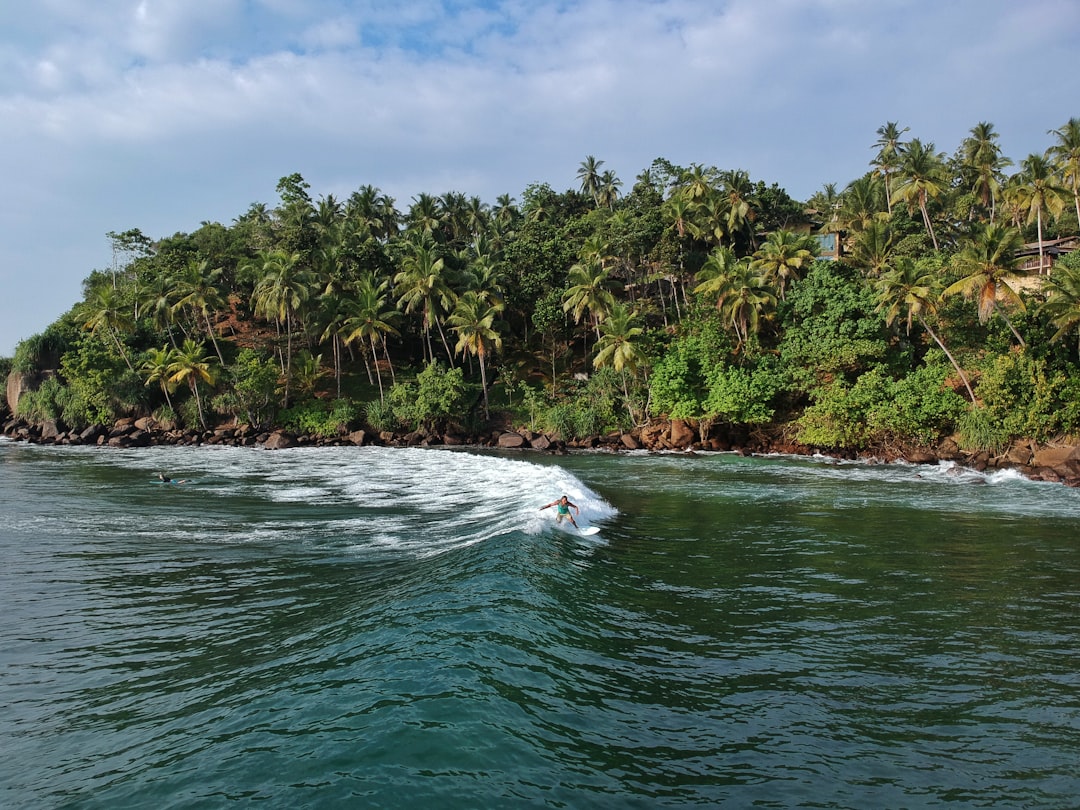
The crown jewel and the reason most surfers come here. The Arugam Bay point break is a world-class right-hander that, on a good swell, can produce rides of 300–400 metres. Wave faces typically run 2–6 ft but can reach 8 ft+ on bigger days. It's best suited to intermediate and advanced surfers, and the lineup gets competitive — and crowded — during July and August. Surf it at dawn to beat the crowds.
2. Whiskey Point
About 30 minutes north near Komari, Whiskey Point is a mellower right-hander that's ideal for beginners and intermediates. It's noticeably quieter than Main Point, making it great value for those still finding their feet.
3. Peanut Farm
Set in a beautiful, less-crowded spot near the lighthouse south of town, Peanut Farm offers two breaks — one beginner-friendly and one more advanced. The scenery alone makes the trip worthwhile.
4. Pottuvil Point
North of town, this long, mellow right-hander is often blissfully uncrowded — a fantastic early-morning option for a peaceful session.
5. Elephant Rock
A scenic beach and point break named for its distinctive rock formation, Elephant Rock is forgiving and well-suited to beginners.
6. Baby Point & Crocodile Rock
These gentle beginner zones round out the area's offerings, perfect for those taking their very first lessons. Note the name "Crocodile Rock" is more than decorative — see our safety tips below.
Best Time to Visit Arugam Bay
Timing is everything when it comes to surfing Sri Lanka's east coast. The prime Arugam Bay surf season runs from May to September, with the peak in July and August. This is driven by the southwest monsoon, which brings dry weather and consistent offshore conditions to the east coast — exactly the opposite of the southwest coast's season (November–April).
If you're wondering when to visit Arugam Bay, here's what to expect:
- May–September (Peak Season): Clean, consistent waves, reliable offshore morning winds, sunny skies and a buzzing town atmosphere. July–August is the busiest.
- October–April (Off-Season): The town effectively shuts down. Expect wet weather, larger storms and most surf camps and businesses closed. It's eerily quiet — only recommended if you're chasing solitude.
One of the great things about surfing Sri Lanka's east coast is how perfectly it complements the island's circular tourism flow: surf the east in summer and the south or west in winter. The water stays warm year-round at around 27–28°C, so you'll only need boardshorts — no wetsuit required.
 Photo by Fredrik Öhlander on Unsplash
How to Get to Arugam Bay
Reaching the east coast takes a little effort, but the journey is part of the adventure. Here's how to get to Arugam Bay:
By Road from Colombo
The most common route is by car or private transfer from Colombo, taking around 6.5–8 hours via Ratnapura/Pottuvil or via Monaragala. Booking a private transfer through a trusted operator like Lanka Travel Bee makes this long drive comfortable and stress-free.
Via Ella and the Hill Country
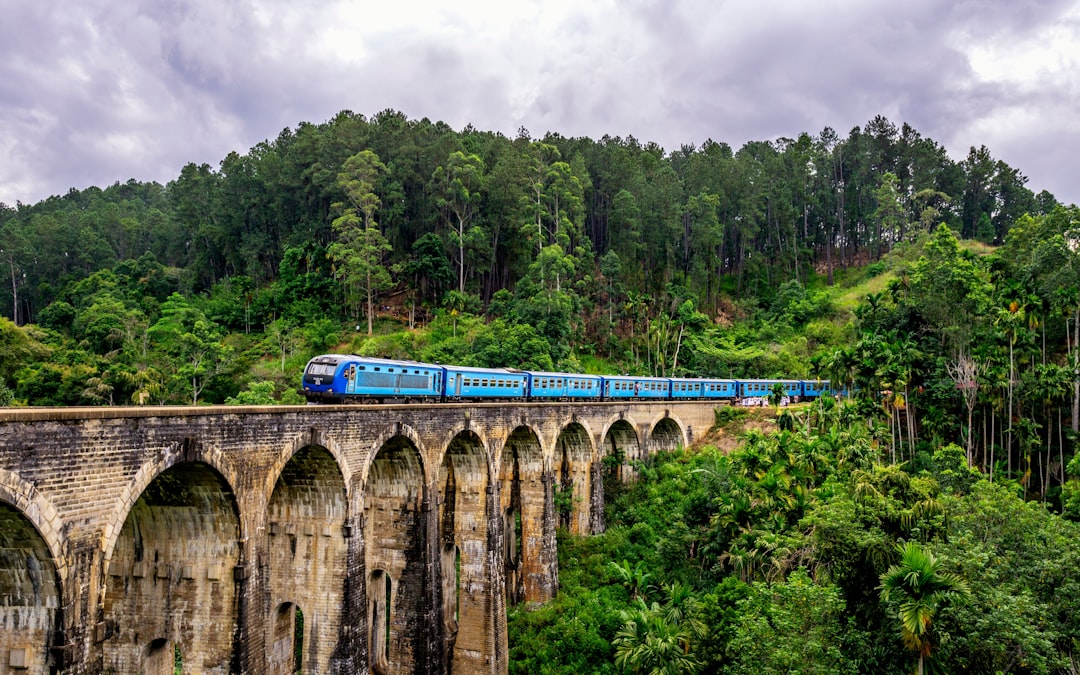
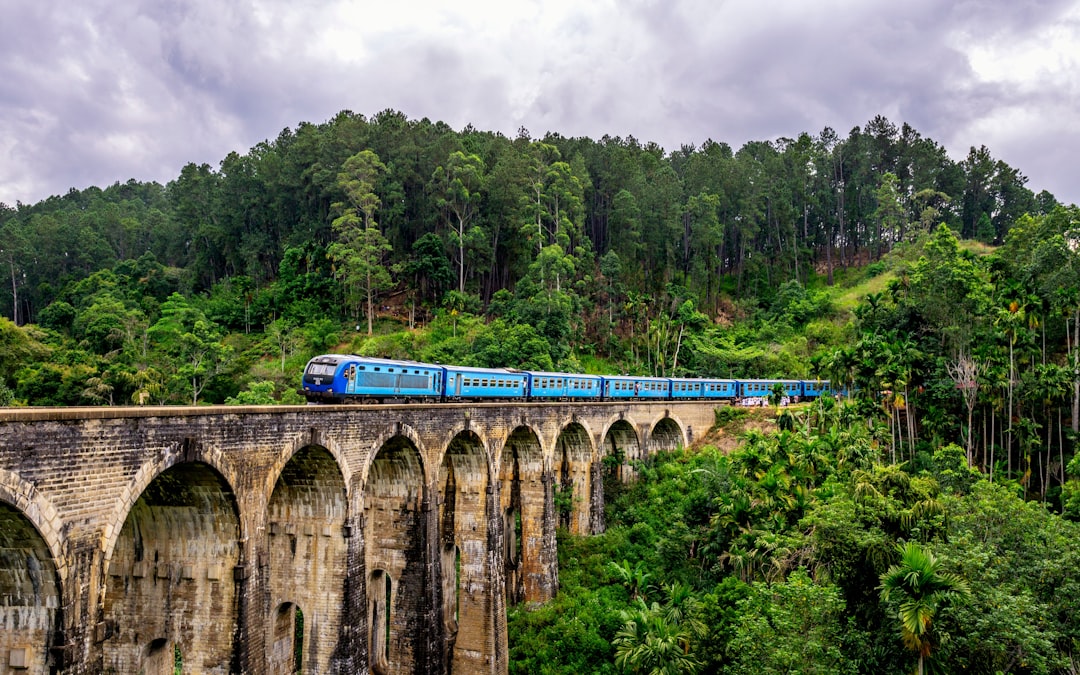
A favourite among travellers — and one we highly recommend — is approaching A-Bay from Ella. The drive is just around 4 hours and incredibly scenic. Many visitors combine the cool, misty hills with the coast, and you may even spot elephants on the roads around Lahugala and Kumana en route. Explore more of our destinations to plan this dream route.
By Bus
Budget travellers can take a bus from Colombo to Pottuvil (the nearest town, about 3 km from A-Bay), then hop in a tuk-tuk for the final stretch.
By Train
There's no direct rail line to Arugam Bay. The nearest railheads are Ella or Badulla, from which you'll continue by road — another reason the Ella combination is so popular.
By Air
Domestic flights and seaplanes to nearby airstrips are occasionally available, but most travellers arrive overland via Colombo's Bandaranaike International Airport (CMB).
 Photo by Jonny Kennaugh on Unsplash
Practical Information for Your Trip
To make your Arugam Bay Sri Lanka travel planning easy, here's a breakdown of costs, logistics and essentials.
Approximate Costs
- Budget guesthouse: $10–25/night
- Mid-range/boutique stay: $40–100/night
- Surfboard rental: $5–10/day
- Surf lessons: $15–30 per session
- Tuk-tuk (Pottuvil to A-Bay): ~$3–5
- Meals: $3–8 at local spots, more at Western cafés
Prices are approximate and subject to change.
Logistics
- ATMs are available in Pottuvil and A-Bay, but they're limited — bring cash.
- Mobile coverage is decent; pick up a Dialog or Mobitel SIM card on arrival.
- Most accommodation, cafés and surf shops line a single main strip, making it easy to get around on foot.
Insider Tips
- Surf Main Point at dawn to beat the mid-morning crowds in July–August.
- Choose Whiskey Point or Peanut Farm for better value and fewer crowds if you're a beginner — perfect for Arugam Bay beginner surfing.
- Respect the local lineup hierarchy at Main Point — it's a competitive wave.
- Rent a scooter or tuk-tuk to reach the outer breaks independently.
- Book accommodation early for July–August, as it sells out fast.
- Bring reef booties — several breaks are over rock and reef.
- Heed crocodile warnings — they're present in the Pottuvil lagoon and some inland waterways.
- Watch for elephants on the roads around Lahugala and Kumana.
Beyond the Surf: Nearby Attractions
Even dedicated wave-hunters need rest days, and the area around A-Bay rewards exploration with some of the best Sri Lanka surf spots backdrops in the country.
- Kumana National Park (~1.5 hrs south): A superb alternative to Yala, offering birdwatching, leopards and elephants with far fewer crowds.
- Lahugala National Park: A prime elephant-spotting park you'll pass en route.
- Pottuvil Lagoon: Take a mangrove safari to see croc